How to Buy and Sell Online Safely in Nigeria (2026) — Avoid Scams & Use Escrow
How-To Guides
How to Buy and Sell Safely Online in Nigeria (2026 Guide)
GoJelly Team
8 min read
-label">General Red Flags
No physical address or verifiable business registration number
Poor grammar or inconsistent messaging — often indicating bot or offshore fraud
Being asked to pay via cryptocurrency, wire transfer to an unfamiliar account, or gift cards
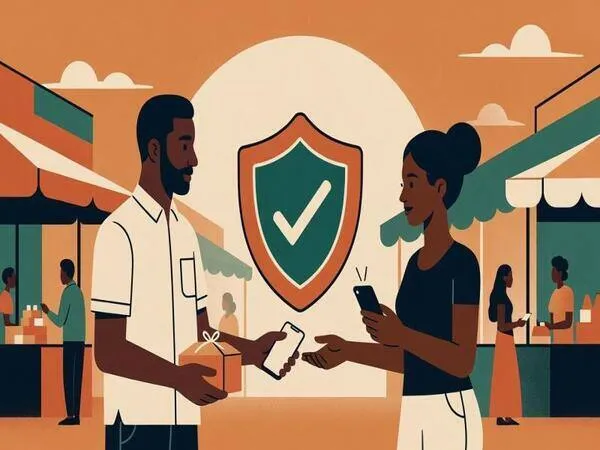
Secure Marketplaces vs Social Media for Buying and Selling
Risky
WhatsApp, Facebook, Instagram DMs
No buyer or seller protection
No verified identity checks
No dispute resolution process
No payment security or escrow
Recovery impossible if scammed
Safer
Secure Marketplaces with Escrow
Built-in buyer and seller protection
Verified seller profiles deter fraud
Structured dispute resolution
Escrow payment security
Platform accountability if things go wrong
For high-value transactions in Nigeria — electronics, fashion, vehicles, large orders — a dedicated secure marketplace gives you fundamentally different protection than WhatsApp. The small inconvenience of using a regulated platform is insignificant compared to the cost of a scam.
7 Practical Tips for Safer Online Transactions in Nigeria
1
Always use a platform with buyer and seller protection — never transact purely on WhatsApp or Instagram for high-value items
2
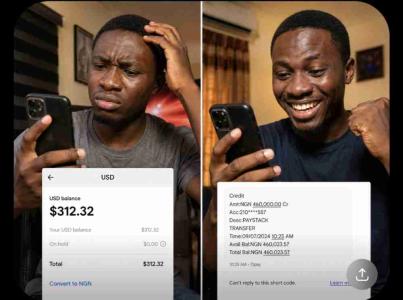
Verify payment by logging into your banking app directly — never rely on SMS alerts or payment screenshots from buyers
3
Check seller or buyer profiles for verified badges, transaction history, and reviews before committing to any deal
4
Use escrow for any transaction above ₦10,000 — especially for electronics, laptops, phones, and large merchandise orders
5
Meet in a safe public location for physical pickups — police station entrances, bank lobbies, and busy shopping centres work well
6
Never pay outside the platform — any seller asking you to pay through unofficial channels is a red flag, regardless of their explanation
7
Report suspicious listings immediately — flagging fraudulent accounts protects every other Nigerian using that platform
What to Do If You Have Been Scammed Online in Nigeria
1
Report to your bank immediately and request a reversal — time is critical, as recent transfers can sometimes be reversed within hours
2
File a complaint with the Nigeria Police Force (NPF) Cybercrime Unit — especially for amounts above ₦50,000
3
Report the account on the platform where the transaction took place so the fraudster's account can be investigated and shut down
4
Document everything — save all messages, payment receipts, screenshots, and transaction references before anything is deleted
Recovery is not always possible, but reporting helps prevent the same fraudster from scamming other Nigerians. Strong digital evidence significantly increases the chance of fund recovery through official channels.
Frequently Asked Questions
Use platforms with built-in escrow and buyer/seller protection like GoJelly. Never transact purely on WhatsApp for high-value items. Always verify payment in your banking app directly — never rely on SMS alerts or screenshots. Use escrow for all transactions above ₦10,000.
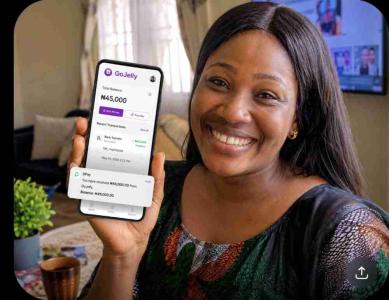
Escrow is a neutral third party that holds payment between a buyer and seller. The buyer pays into escrow (not directly to the seller), the seller delivers goods, the buyer confirms receipt, then escrow releases payment. If there is a dispute, escrow holds funds until it is resolved. GoJelly uses escrow for all task payments.
The 6 most common Nigerian online scams are: fake seller scams, advance fee fraud (419), fake payment alerts targeting sellers, overpayment scams, phishing/clone websites, and WhatsApp/social media fraud. Understanding each helps you spot them before losing money.
Report to your bank immediately for a potential reversal. File with the NPF Cybercrime Unit. Report the account on the platform. Document all messages, receipts, and screenshots. Act immediately — time is critical for bank reversals.
WhatsApp has no buyer or seller protection, no verified identity checks, no dispute resolution, and no payment security. For high-value transactions, always use a regulated marketplace with escrow. WhatsApp is only appropriate for low-value items where you can verify the person's identity through mutual contacts or in-person meetups.
Online fraud should not stop you from participating in Nigeria's booming digital economy. The right platform, the right knowledge, and the right habits make online transactions safe every time. Use GoJelly's escrow-protected system for all your Nigerian online transactions and share this guide with anyone who needs it — you might just save them from a scam.